No products in the cart.
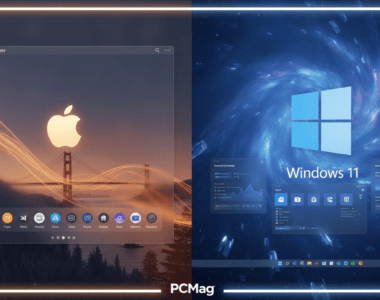
The macOS vs Windows 11 debate has taken on new intensity lately, with each operating system pushing forward with genuine improvements that make the choice between them less obvious than it used to be. For years, the rivalry felt somewhat predictable—pick your camp and stick with it. But recent developments suggest that both platforms have something real to offer depending on what you actually do with your computer.
Apple’s approach to its operating system has always centered on controlling both hardware and software. This tight integration means macOS feels polished and stable, though it comes with the tradeoff of less flexibility. Windows 11, meanwhile, represents Microsoft’s effort to modernize an aging platform while maintaining the flexibility and software breadth that Windows has always provided.
macOS vs Windows 11 – Why It Matters
The operating system you choose affects everything from everyday workflow to long-term costs and compatibility. macOS vs Windows 11 isn’t just a technical comparison—it’s a decision that shapes your entire computing experience. Your choice determines what software you can run, how you collaborate with others, and even which devices you can use.
For many people, this decision was settled years ago. They use Windows because their workplace requires it, or they stick with macOS because they’ve invested in Apple’s ecosystem. But for anyone building a new setup or reconsidering their platform, the differences matter more than the marketing suggests.
macOS vs Windows 11 – What You Should Know
Windows 11 brought a visual overhaul that moved away from the corner-based design Windows has used for decades. The centered Start menu and new Fluent Design language feel fresher, though some longtime Windows users find the changes disorienting at first. Performance-wise, Windows 11 runs smoothly on modern hardware, though system requirements for certain features exclude older machines.
macOS, by contrast, has been refining the same core design language for years. Recent versions like Ventura focused on quality-of-life improvements—better window management, refined notifications, improved privacy controls—rather than radical redesigns. Battery life on Apple Silicon Macs is genuinely impressive, often outlasting Windows laptops by hours.
Software compatibility deserves serious consideration. Windows dominates specialized software: professional tools, industry-specific applications, and most games run on Windows first. macOS has excellent creative software support, particularly for audio and video production, but the library is smaller overall. If you need specific applications, check compatibility before committing to either platform.
Security and privacy approaches differ philosophically. macOS uses a closed ecosystem that Apple controls completely, which simplifies security but limits user choice. Windows offers more granular privacy settings and control, though this flexibility can also mean more security decisions fall on the user.
macOS vs Windows 11 – What Are the Options?
| Factor | macOS | Windows 11 |
|---|---|---|
| Best for | Creative professionals, Apple ecosystem users, those prioritizing battery life | Gamers, business users, those needing specialized software |
| Main advantage | Integration with iPhone/iPad, exceptional build quality, stable performance | Software variety, hardware options, gaming support |
| Main limitation | Higher upfront cost, limited software selection, less customization | Bloatware on some systems, steeper learning curve for new users |
| Hardware options | Apple only (MacBook, Mac mini, iMac, etc.) | Hundreds of laptops and desktops from multiple manufacturers |
| Price range | Premium pricing across all models | Budget to premium options widely available |
The real choice depends on your specific needs. If you’re tied to Windows-only software or want maximum hardware flexibility at various price points, Windows 11 is the logical choice. If you’re already invested in Apple devices, value tight integration, and can afford the premium, macOS makes sense. Neither is objectively “better”—they’re built for different user priorities.
macOS vs Windows 11 – Final Thoughts
The macOS vs Windows 11 comparison reveals that both platforms have matured significantly. Windows 11 is genuinely solid on modern hardware, and macOS continues to refine an already-strong experience. The “shocking results” often promised in comparisons tend to disappoint because both operating systems actually work well for their intended audiences.
Your decision should come down to practical factors: What software do you need? What devices do you own or want? How important is cost versus features? These questions matter far more than which platform sounds better in marketing materials.
FAQ
What’s the main difference between macOS and Windows 11?
macOS is designed exclusively for Apple hardware with tight integration and a refined experience, while Windows 11 runs on devices from many manufacturers and prioritizes software variety and flexibility. macOS generally costs more upfront, while Windows offers options at various price points.
Is macOS vs Windows 11 worth comparing if I already use one?
Only if you’re considering switching. Most people don’t benefit from moving between ecosystems because the learning curve is steep and you lose existing software investments. If you’re satisfied with your current system, there’s rarely a compelling reason to change.
Which system is better for gaming?
Windows 11 is significantly better for gaming. The vast majority of games release on Windows first, and the hardware variety gives gamers more options for building systems that fit their budget and performance needs.
Which system is better for creative work?
Both handle creative work well, but macOS has a slight edge for audio production and some video editing workflows. Windows offers broader software options and often costs less for the same performance. The best choice depends on which specific creative software you prefer.