No products in the cart.
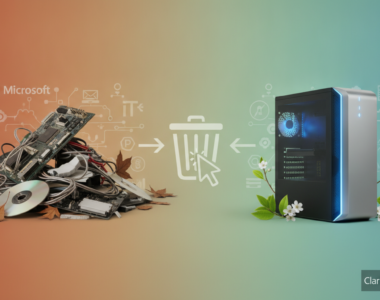
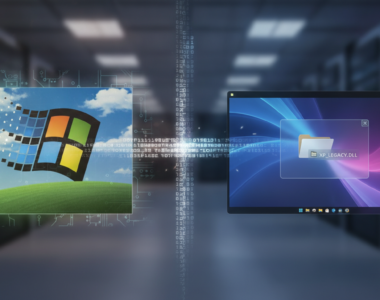
Microsoft’s K2 project is supposedly the company’s ambitious attempt to fundamentally rebuild Windows, and honestly, it’s about time someone took a serious swing at fixing what’s been broken for years. The whole thing sounds like Microsoft finally realized that patching up the same old architecture isn’t going to cut it anymore. If this actually delivers what they’re promising, we could be looking at a genuinely modern operating system instead of the bloated mess most of us deal with daily.
Need a genuine license? Browse our genuine Windows license keys with instant email delivery.
The real story here is that Windows has accumulated so much technical debt over the decades that incremental updates just aren’t enough. K2 is being positioned as a way to strip things down and rebuild from a cleaner foundation. Whether it actually happens or becomes another vaporware project remains to be seen, but the fact that Microsoft is talking about it publicly suggests they’re serious about change.
Microsoft’s K2 project – Why People Are Talking About It
Tech professionals and everyday users alike have been frustrated with Windows for a while now, so naturally Microsoft’s K2 project has generated some genuine interest. There’s a real appetite for an OS that doesn’t feel like it’s held together with duct tape and legacy code. The promise of a modernized architecture, better security foundations, and improved performance is exactly what people have been asking for. If Microsoft pulls this off, it could actually be the refresh Windows desperately needs.
Microsoft’s K2 project – What You Should Know
The practical side of all this is important. If K2 becomes reality, you’re probably looking at a transition period where older software compatibility becomes an issue. That’s always the trade-off with major OS overhauls. The upside is that a cleaner architecture could mean fewer system slowdowns, better resource management, and potentially fewer security vulnerabilities. When you’re running Windows today, you might notice how it gradually feels slower over time, and that’s partly because of accumulated baggage. A fresh build could actually solve that.
One thing to consider is timing. These massive projects typically take years, and there’s no guarantee K2 won’t face setbacks or delays. Microsoft has a mixed track record with major architectural changes, so cautious optimism is probably the right approach here. That said, the fact that they’re even attempting something this ambitious suggests they understand the stakes.
Comparison: Microsoft’s K2 project Options
| Aspect | Current Windows | K2 Project Goals |
|---|---|---|
| Architecture | Legacy-based foundations | Modern from ground up |
| Performance | Degrades over time | Cleaner, optimized |
| Security | Patched and layered | Built-in by design |
| Compatibility | Excellent backward support | Selective (potential issue) |
| Best for | Current users, stability | Future-focused scenarios |
Microsoft’s K2 project – Final Thoughts
Look, Microsoft’s K2 project represents something that’s been needed for a long time. Whether it actually materializes as described is another question entirely, but the effort itself shows that Microsoft recognizes Windows needs more than just cosmetic updates. If you’re someone who works on Windows daily, this is worth keeping an eye on. The potential impact on how we work with computers could be significant, though we’re likely years away from seeing anything concrete.
FAQ
What is Microsoft’s K2 project?
It’s Microsoft’s internal initiative to rebuild Windows with a modern architecture instead of continuing to patch the existing legacy code base. Essentially, starting mostly from scratch with lessons learned over decades.
Is Microsoft’s K2 project worth paying attention to?
If you use Windows regularly, yeah. This could genuinely change how the OS performs and feels. That said, don’t expect results tomorrow. These things move slowly.
Where can I learn more about Windows and licensing?
If you’re looking for legitimate Windows licenses or want more tech insights like this, check out buydigital.fun for reliable information and options.

If you are looking for a genuine license check Windows licenses here.