No products in the cart.
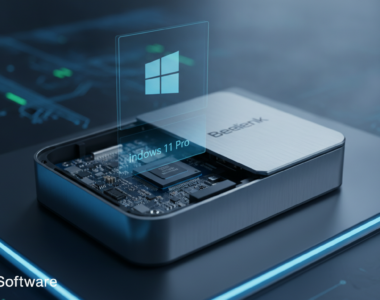
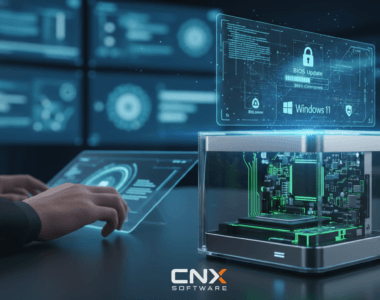
Mini PC BIOS updates sound straightforward until you actually try doing one with BitLocker enabled on Windows 11. I recently went through this process and discovered it’s way more involved than the manufacturer’s documentation suggests. The real kicker? Nobody really talks about the specific gotchas you’ll hit along the way.
Need a genuine license? Browse our genuine Windows license keys with instant email delivery.
What should’ve been a 30-minute firmware refresh turned into a full afternoon of troubleshooting, backing up recovery keys, and second-guessing every click. These compact machines are becoming more powerful each year, but their BIOS update procedures haven’t exactly caught up with modern security standards.
Mini PC BIOS Updates – Why People Are Talking About It
Windows 11’s mandatory BitLocker encryption is great for security, but it creates real friction when you need to fiddle with low-level firmware. More people are discovering that mini PCs make excellent desk companions or compact media centers, which means more folks are running into this issue. The problem is that mini PC BIOS updates require some preparation work that most casual users don’t expect. You can’t just boot into the BIOS and flash the new firmware like you could five years ago.
Mini PC BIOS Updates – What You Should Know
Before touching your BIOS, you absolutely need to suspend BitLocker or you risk encryption complications. Microsoft makes you save your recovery key somewhere safe first, which honestly isn’t a bad practice anyway. The actual update process depends on your specific mini PC model, but many manufacturers provide Windows utilities instead of traditional BIOS flashing tools. Some require you to create a bootable USB drive, others let you do it from within Windows itself. If you’re using a genuine Windows 11 license, make sure you’ve got your activation details handy since BIOS updates can sometimes trigger reactivation checks. For legitimate licenses, I’d recommend checking reputable vendors beforehand so you’re not caught without proper documentation if issues pop up.
Comparison: Mini PC BIOS Updates Options
| Feature | Manufacturer Utility | Bootable USB Method |
|---|---|---|
| Ease of use | Simple, GUI-based | More technical |
| Time required | 20-30 minutes | 45+ minutes |
| BitLocker complexity | Moderate | Higher |
| Best for | Windows users | Advanced users |
Mini PC BIOS Updates – Final Thoughts
If you own a mini PC running Windows 11 with BitLocker enabled, don’t skip BIOS updates because you’re worried about the hassle. Security patches matter, especially on compact systems with limited cooling that already push components harder. Just plan ahead, backup your recovery key somewhere you’ll remember, and maybe set aside an evening instead of trying it during a work-from-home day. Mini PC BIOS updates are manageable once you know what you’re walking into.
FAQ
What is mini PC BIOS updates?
It’s the process of updating the firmware that controls your small form factor computer’s hardware. Think of it like a software update for the lowest level of your system.
Is mini PC BIOS updates worth the effort?
Absolutely, especially if the update addresses security vulnerabilities or stability issues. The inconvenience is temporary, but the benefits stick around.
Where to get Windows licenses if I need to reactivate?
For legitimate Windows 11 licenses, buydigital.fun has solid options that work well with mini PC systems. Make sure whatever you grab is genuine before installing.

If you are looking for a genuine license check Windows licenses here.