No products in the cart.
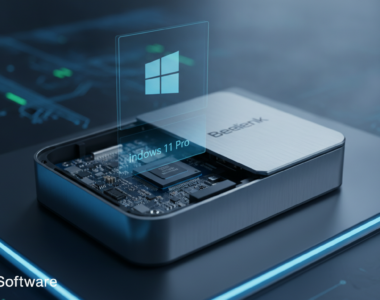
PC costs rising is becoming a real concern for anyone planning to upgrade their computer soon. The culprit? Microsoft’s increasingly strict hardware requirements, particularly around AI-focused features and security standards that are pushing manufacturers to include more expensive components.
Need a genuine license? Browse our genuine Windows license keys with instant email delivery.
For years, PC pricing remained relatively stable as competition kept costs in check. But Microsoft’s push toward newer technologies—especially AI integration and enhanced security features—is forcing hardware makers to include components that add real dollars to the final price tag. When one of the world’s largest software companies sets the bar for what qualifies as a “modern” PC, the entire industry follows.
PC Costs Rising – Why It Matters
The significance of PC costs rising extends beyond just paying more at checkout. If you’re planning to buy a new computer, you’re likely looking at a noticeably higher price point than what you would have paid just a year or two ago. This creates a genuine barrier for budget-conscious buyers and those simply looking to replace aging hardware without breaking the bank.
Microsoft’s influence here is substantial. The company’s hardware requirements effectively set industry standards. When Windows demands better processors, more RAM, or specific security chips (like TPM 2.0), manufacturers have no choice but to include them. Those additions increase manufacturing costs, and those costs get passed directly to consumers.
PC Costs Rising – What You Should Know
Several factors are driving these price increases. Microsoft’s Copilot AI features require more processing power. Windows security enhancements demand dedicated hardware components. The push toward “AI-ready” PCs means processors with neural processing capabilities, which typically cost more than standard chips.
You’ll also notice that manufacturers are using the hardware requirement changes as an opportunity to include premium components across the board. When the baseline hardware requirements go up, it’s tempting for them to add even better components and market those as standard features.
The market shift isn’t uniform either. Budget laptops and entry-level desktops are seeing the steepest price increases because meeting new requirements on a tight budget becomes harder. Mid-range and high-end systems have more flexibility, though they’re climbing in price too.
PC Costs Rising – What Are the Options?
You have several practical paths forward depending on your needs and budget.
| Approach | Buy New Now | Wait and See | Consider Used/Refurbished |
|---|---|---|---|
| Best for | Immediate need, newer tech | Budget flexibility, patience | Budget-conscious buyers |
| Main advantage | Latest hardware, full warranty | Potentially lower future prices | Significant cost savings |
| Main limitation | Paying current high prices | Prices may stay elevated | Limited warranty, older hardware |
If you need a computer now, buying today makes sense despite higher prices—waiting likely won’t bring significant relief. If your current machine still works adequately, holding off might be wise. Refurbished systems from reputable sellers offer genuine savings, though they come with trade-offs in terms of warranty coverage and hardware age.
Another consideration: don’t overspend on features you won’t use. AI capabilities and cutting-edge processors matter for content creators and power users, but if you’re browsing the web and working with documents, older-generation hardware still handles those tasks perfectly fine.
PC Costs Rising – Final Thoughts
PC costs rising is a real trend driven by legitimate technical changes, even if it’s frustrating for consumers. Microsoft’s hardware requirements aren’t arbitrary—they reflect genuine security and performance improvements. The problem is that these improvements come with a price tag that not everyone can easily absorb.
The best approach depends on your situation. If you absolutely need a new computer, accept the higher cost and make it count by choosing a system that matches your actual needs. If you can wait, do so strategically rather than assuming prices will drop. And if budget is a serious constraint, don’t shy away from certified refurbished systems or last-generation hardware that still offers excellent value.
FAQ
Why are PC costs rising?
Microsoft’s new hardware requirements—particularly for AI features, security components like TPM 2.0, and enhanced processors—are forcing manufacturers to use more expensive components. These costs get passed directly to consumers.
Should I buy a PC now or wait?
If you need a computer soon, buying now makes practical sense. Prices are unlikely to drop significantly in the near term since hardware requirements continue increasing. If your current system works, waiting doesn’t offer clear financial advantage.
Are refurbished PCs a good alternative?
Yes, refurbished systems from reputable sellers can offer substantial savings while still being reliable. The trade-off is a shorter warranty and older hardware, which may lack the newest features but handles everyday tasks just fine.

If you’re building a new system or upgrading your software, make sure you’re getting genuine licenses. You can find affordable Windows licenses and software here.