No products in the cart.
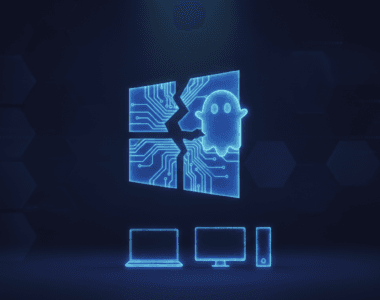
So Windows 11’s legacy code problem is real, and honestly, it’s kind of wild when you think about it. Microsoft built their shiny new operating system on top of code that’s been kicking around since the Clinton administration. It’s like renovating a house by just painting the walls while leaving the 30-year-old plumbing intact.
What struck me most about this is how it highlights the challenge of building modern software on ancient foundations. You can’t just rip everything out and start fresh when billions of people depend on Windows actually working. The company has to maintain backward compatibility while trying to move forward, which honestly sounds like a nightmare from an engineering perspective.
Windows 11’s Legacy Code – Why People Are Talking About It
The revelation about Windows 11’s legacy code sparked conversations about technical debt and how operating systems actually get built. TechRepublic’s reporting made it clear that this isn’t some secret Microsoft was hiding, but rather a practical reality of software development at scale. Developers and IT professionals started asking whether this actually matters for everyday users or if it’s just technical theater.
Windows 11’s Legacy Code – What You Should Know
Here’s the thing: legacy code doesn’t necessarily mean your system is broken or insecure. It means Microsoft chose pragmatism over perfection, which honestly makes sense. If you’re running Windows 11, you’re already getting the security updates and modern features layered on top of proven code. The real consideration is whether you want to stay current with your license anyway, which is just smart practice regardless of what’s under the hood.
Comparison: Windows 11’s Legacy Code Options
| Aspect | Keep Current OS | Fresh Install |
|---|---|---|
| Stability | Proven & updated | Clean but riskier |
| Compatibility | Maximum support | Potential issues |
| Performance | Optimized over time | Initially fast |
| Best for | Most users | Troubleshooters |
Windows 11’s Legacy Code – Final Thoughts
The legacy code situation is less of a scandal and more of an honest look at how software actually evolves. Windows 11’s legacy code doesn’t make it a bad choice, but it does mean Microsoft is managing complexity that traces back decades. For most of us, what matters is that the system works reliably, gets security patches, and doesn’t become obsolete overnight.
FAQ
What is Windows 11’s legacy code problem?
Microsoft built Windows 11 with modern features on top of foundational code from the 1990s. They kept old code for compatibility rather than rebuilding everything from scratch.
Does legacy code affect my Windows 11 performance?
Not really in any noticeable way for normal users. The real impact is on development complexity and long-term maintenance for Microsoft’s engineering teams.
Should I upgrade or stick with my current Windows license?
If your current license is legitimate and working fine, Windows 11 is worth the upgrade for security and features. You can check genuine licenses at bozef.com where they have properly activated Windows keys available.

If you are looking for a genuine license check Windows licenses here.