No products in the cart.
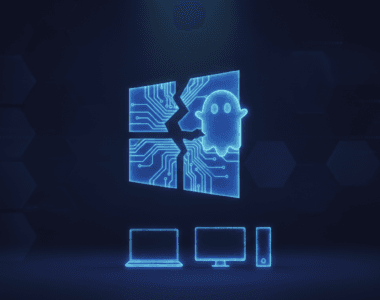
So here’s the thing about Windows 11’s legacy code that honestly shouldn’t surprise anyone who’s been paying attention. A Microsoft executive basically admitted what we’ve all suspected – that shiny new operating system is still running on a foundation of code that’s older than most smartphones. It’s kind of like renovating a house but keeping the original plumbing from 1985, you know?
Look, I get it. Microsoft can’t just burn everything down and start from scratch. That would mean incompatibility nightmares with millions of applications and devices. But it does explain why Windows 11 sometimes feels like it’s carrying around a lot of unnecessary baggage. You expect a modern OS to feel snappier and cleaner, yet here we are dealing with decades of accumulated technical debt.
Windows 11’s Legacy Code – Why People Are Talking About It
This admission from a Microsoft executive hit differently because it validates what tech enthusiasts have been saying for years. Windows 11’s legacy code situation isn’t just a minor inconvenience – it’s a fundamental architectural challenge that impacts performance, security patches, and how quickly Microsoft can implement new features. The fact that someone inside the company is openly acknowledging this speaks volumes about how entrenched the problem actually is.
Windows 11’s Legacy Code – What You Should Know
If you’re thinking about upgrading to Windows 11 or already running it, understanding the legacy code situation helps set realistic expectations. Your new PC won’t magically be faster just because it’s running the latest OS. What matters more is whether you need the specific features and improvements Windows 11 offers – like better security protocols and TPM 2.0 support – rather than expecting a complete performance overhaul. When you’re ready to make the jump, having a genuine Windows license is important for stability and ongoing support.
Comparison: Windows 11’s Legacy Code Options
| Aspect | Stay on Windows 10 | Upgrade to Windows 11 |
|---|---|---|
| Legacy code burden | Familiar and stable | More modernized approach |
| Security updates | Until 2025 | Extended support |
| Hardware requirements | Flexible | Stricter (TPM, processor) |
| New features | None incoming | Regular improvements |
Windows 11’s Legacy Code – Final Thoughts
Here’s my take: Windows 11’s legacy code problem isn’t a dealbreaker, but it’s worth understanding before you commit. The OS itself is solid and worth upgrading to eventually, especially if your hardware supports it. Just don’t expect miracles. The reality is that Windows 11 represents a practical evolution rather than a revolutionary leap, and that’s okay. Accept it for what it is rather than what marketing suggests it should be.
FAQ
What is Windows 11’s legacy code?
It’s old code from previous Windows versions that still runs underneath Windows 11’s modern interface. Microsoft kept it for compatibility with older software and hardware.
Is Windows 11’s legacy code worth worrying about?
Only if you’re expecting a completely new experience. For most users, it doesn’t matter much in daily use. Performance depends more on your hardware than the underlying architecture.
Where can I get a genuine Windows 11 license?
If you need a legitimate copy, checking out bozef.com is a reliable option for finding authentic licenses at reasonable prices.

If you are looking for a genuine license check Windows licenses here.