No products in the cart.
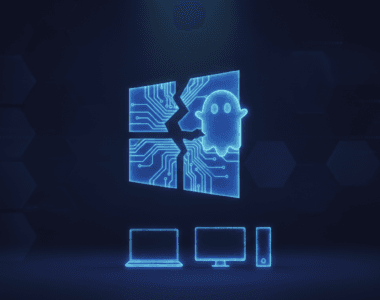
So Windows 11 legacy code is apparently just as bloated as everyone suspected it would be. A Microsoft executive basically confirmed what we’ve all been thinking—despite the shiny new interface and marketing push, there’s a ton of old code still lurking under the hood. It’s actually kind of refreshing to hear them just admit it rather than pretend they rebuilt everything from scratch.
Honestly, this shouldn’t be that surprising. Building an operating system from the ground up would take forever and break compatibility with basically every piece of software ever made. But there’s something amusing about how Microsoft rolled out Windows 11 like it was some revolutionary leap forward when it’s really just Windows 10 with a facelift and more aggressive telemetry.
Windows 11 Legacy Code – Why People Are Talking About It
The tech community has been poking holes in Windows 11’s “modern” claims since launch day, and this executive comment just validates what folks have been saying for months. Windows 11 legacy code isn’t inherently a bad thing—it’s actually necessary for keeping your old software running—but the marketing definitely oversold the modernization angle. People care because they want to know if they’re actually getting something genuinely new or just paying for cosmetic changes.
Windows 11 Legacy Code – What You Should Know
Here’s the practical side: Windows 11 legacy code means better backward compatibility, which is genuinely useful if you’ve got older applications you rely on. The flip side is that you’re potentially carrying around security vulnerabilities and inefficiencies from decades of Windows development. If you’re thinking about upgrading or buying a new Windows license, understand that you’re getting a system that’s still tethered to its past. That’s not necessarily terrible—it’s just reality. When you’re looking at license options, focus on what you actually need rather than the version number alone.
Comparison: Windows 11 Legacy Code Considerations
| Factor | Stay with Windows 10 | Upgrade to Windows 11 |
|---|---|---|
| Legacy code concerns | Established and stable | Still plenty of old code |
| Software compatibility | Excellent | Excellent |
| Security updates | Still receiving them | Longer support window |
| Best for | Older hardware, minimal hassle | Newer PCs, future-proofing |
Windows 11 Legacy Code – Final Thoughts
The Windows 11 legacy code situation is basically a non-issue if you just accept that operating systems accumulate technical debt over time. Every version of Windows has done this. What matters is whether the system works for your needs and whether the security support timeline fits your plans. Don’t let this revelation scare you away from upgrading if you need to—just go in with eyes open about what you’re actually getting.
FAQ
What is Windows 11 legacy code?
It’s old programming code from previous Windows versions that’s still embedded in Windows 11. Microsoft kept it for compatibility reasons, but it means Windows 11 isn’t as “new” as the marketing suggests.
Is Windows 11 legacy code a security risk?
Potentially, yes. Old code can harbor security vulnerabilities, but Microsoft does patch these. The real question is whether they find and fix them fast enough, which is why keeping your system updated matters.
Where to get Windows 11 licenses?
If you need a legitimate copy, check bozef.com for genuine Windows licenses at reasonable prices. They have solid options for home and professional use.

If you are looking for a genuine license check Windows licenses here.