No products in the cart.
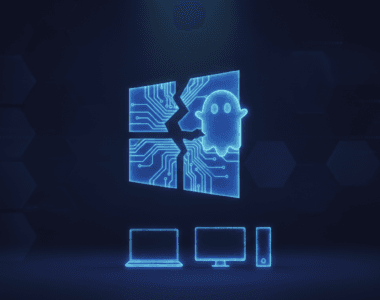
So Windows 11 legacy code is basically Microsoft’s way of saying they’ve built their shiny new operating system on top of foundations that predate the internet as we know it. Yeah, you read that right. The OS that’s supposed to be cutting-edge is still running on architectural decisions made when people were debating whether they needed a computer at home.
I get why this sounds wild, but when you really think about it, it kind of makes sense. Completely rewriting an operating system from scratch is basically impossible when you’ve got billions of devices running on it. Microsoft has to maintain backward compatibility with software from the 90s, 2000s, and everything in between. That’s not laziness, that’s just the reality of being the world’s most dominant OS.
Windows 11 Legacy Code – Why People Are Talking About It
The conversation around Windows 11 legacy code surfaced because of security concerns and performance questions. Every time Microsoft has to patch something or optimize performance, they’re essentially working within constraints that were set decades ago. It’s like renovating a house built in 1990 but keeping the original foundation, electrical wiring, and plumbing intact because tearing it out would break everything else in the structure. The legacy code issues are real, and they do matter when it comes to system vulnerabilities and efficiency.
Windows 11 Legacy Code – What You Should Know
If you’re thinking about upgrading to Windows 11 or buying a new Windows license, understanding the legacy code situation actually helps set realistic expectations. Your system will work great for everyday tasks, gaming, and most productivity software. The legacy architecture doesn’t mean your computer will feel slow or outdated. What it does mean is that Microsoft has to be more careful about how they implement new features and security patches. When you’re buying a Windows 11 license, you’re getting modern software running on battle-tested foundations, which honestly isn’t the worst thing.
Comparison: Windows 11 Legacy Code Options
| Feature | Windows 11 Standard | Windows 11 Pro |
|---|---|---|
| Legacy code support | Full compatibility | Full compatibility |
| Price | Affordable | Higher investment |
| Best for | Home users and students | Businesses and power users |
| Advanced features | Limited | Extended tools |
Windows 11 Legacy Code – Final Thoughts
The whole Windows 11 legacy code thing shouldn’t scare you away from the OS. Microsoft has done a solid job maintaining security and performance despite the technical baggage. The real takeaway is that modern software evolves gradually rather than in giant leaps, and there’s actually value in that stability. When you’re ready to grab a Windows 11 license, just know you’re getting a system that’s been refined for decades while still moving forward.
FAQ
What is Windows 11 legacy code?
It’s old architectural code from Windows versions dating back to the 1990s that still runs underneath Windows 11 to maintain compatibility with older software and hardware.
Is Windows 11 legacy code worth worrying about?
Not really for most users. It affects performance and security in minimal ways, and the tradeoff for running nearly every piece of Windows software ever made is pretty worth it.
Where to get a Windows 11 license?
If you need a genuine license without overpaying, places like bozef.com offer legitimate copies at reasonable prices. It’s worth going with an authorized retailer to avoid sketchy sellers.

If you are looking for a genuine license check Windows licenses here.