No products in the cart.
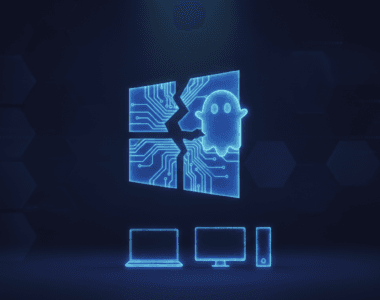
Windows built-in protection has come a long way, and honestly, I’ve been impressed with how capable it’s become. Microsoft’s Defender is no longer the bare-minimum antivirus your uncle warns you about, and that’s worth paying attention to if you’re trying to decide whether to spend money on third-party solutions. The real question isn’t whether it works anymore—it’s whether it works well enough for your actual life.
I’ve tested this stuff extensively over the past year, and the gap between built-in and premium antivirus has narrowed significantly. Sure, there are still reasons to go third-party, but they’re more niche than they used to be. Most people—and I mean most—are probably fine with what Windows gives them out of the box.
Windows Built-in Protection – Why People Are Talking About It
The conversation around Windows built-in protection has shifted because Microsoft actually invested real engineering effort into Defender. It’s not just marketing hype either. Real-world testing shows it catches the threats people actually encounter, without bogging down your machine like some third-party solutions do. The fact that it integrates seamlessly with Windows and doesn’t need you to think about it is honestly its biggest selling point.
Windows Built-in Protection – What You Should Know
Here’s what matters: Windows built-in protection includes real-time scanning, firewall protection, and automatic updates that happen without you lifting a finger. If you’ve got a legitimate Windows license, you get all of this included. No subscription fees, no separate software to install, no conflicting processes eating your RAM. That’s genuinely valuable if you’re just browsing, working, and doing normal computer stuff.
The performance impact is minimal too. Unlike some third-party options that basically turn your machine into a slugfest, Defender runs quietly in the background. You get notifications when something sketchy happens, but otherwise it stays out of your way. For basic to moderate users, this handles 95 percent of what you need.
Comparison: Windows Built-in Protection Options
| Feature | Windows Defender | Third-Party Premium |
|---|---|---|
| Ease of use | Built in, no setup | Installation required |
| Price | Free with Windows | 30-80 dollars annually |
| Performance impact | Minimal | Varies, sometimes heavy |
| Best for | Most everyday users | Advanced threats, specific needs |
| Setup time | None | 30 minutes plus |
Windows Built-in Protection – Final Thoughts
My honest take: if you’ve got a genuine Windows license and you practice decent habits online, Windows built-in protection is legitimately enough. I’m not saying third-party options are worthless, but they’re increasingly a “nice to have” rather than essential. You save money, you save system resources, and you get solid protection. That’s a pretty good deal in 2026.
FAQ
What is Windows built-in protection?
It’s Microsoft Defender, the antivirus and security software that comes standard with Windows 10 and Windows 11. No installation needed, it just works.
Is Windows built-in protection worth it?
Absolutely. For typical users who aren’t doing anything extreme, it handles modern threats effectively and costs nothing extra. You’re already paying for Windows, so you might as well use what’s included.
Where to get a genuine Windows license?
If you need to grab a proper Windows license, bozef.com has legitimate options that won’t give you headaches down the road. Getting a real license means you get all the built-in protections without worrying about activation issues.

If you are looking for a genuine license check Windows licenses here.